
California makes it easy to check a contractor before you sign. Anyone who contracts or bids on construction work of $1,000 or more in labor and materials, or on any job that needs a permit, has to hold a license from the Contractors State License Board (CSLB). Checking one takes a few minutes, and the details below are current as of November 2026.
Look up the license
Every licensed contractor has to put their license number on contracts, bids and advertising, including business cards, ads and the company name on a truck. CSLB says a number alone doesn't prove the license is valid, so check its status every time. You can search at cslb.ca.gov by license number, business name or person, or call 800-321-CSLB (2752).
When a contractor comes out to bid, CSLB suggests asking for the pocket license and a photo ID, and making sure the person in front of you is the one on the license. A salesperson working for a contractor has to be registered with CSLB as a home improvement salesperson, with a card of their own.
What the license page tells you
A license detail page is short. Read all of it:
- Business information: the name on the license, the address of record, the entity type, such as a corporation, and the issue and expiration dates. The name should match the one on your contract.
- Status: whether the license is current and active. Any other status is a reason to stop and ask.
- Classifications: the trades the license covers, such as B for general building or C-8 for concrete.
- Bonding: every active license needs a $25,000 contractor's bond. CSLB notes that bond is often too small to cover several claims, or a project worth more than its face value.
- Workers' compensation: a policy on file, or an exemption. Contractors with employees have to carry workers' comp, and a few classifications, C-8 concrete and C-39 roofing among them, must carry it even without employees. An exemption means the contractor certified it has no employees. Either way, ask who will work on your job, and check with your own insurer, as CSLB suggests.
The page also notes what it can't show. Complaint disclosure is limited by law, only construction-related civil judgments reported to CSLB appear, and recent changes may not be entered yet.
Liability insurance is separate. California doesn't require commercial general liability insurance, but the contract has to say whether the contractor carries it, and CSLB suggests asking for a certificate of insurance.
What a B license covers
The B classification, general building contractor, is for structures that take at least two unrelated building trades to build, or for overseeing all or part of that work (Business and Professions Code 7057). A B contractor can always take a framing or carpentry job.
For other work, the rule gets specific. A B contractor can take a prime contract that involves at least two unrelated trades other than framing or carpentry; framing and carpentry don't count toward the two. For a job in a single other trade, a B contractor needs that trade's own license or has to subcontract the work to a contractor who holds it. Fire sprinkler systems and well drilling always need the right specialty license, held by the contractor or by a licensed sub.
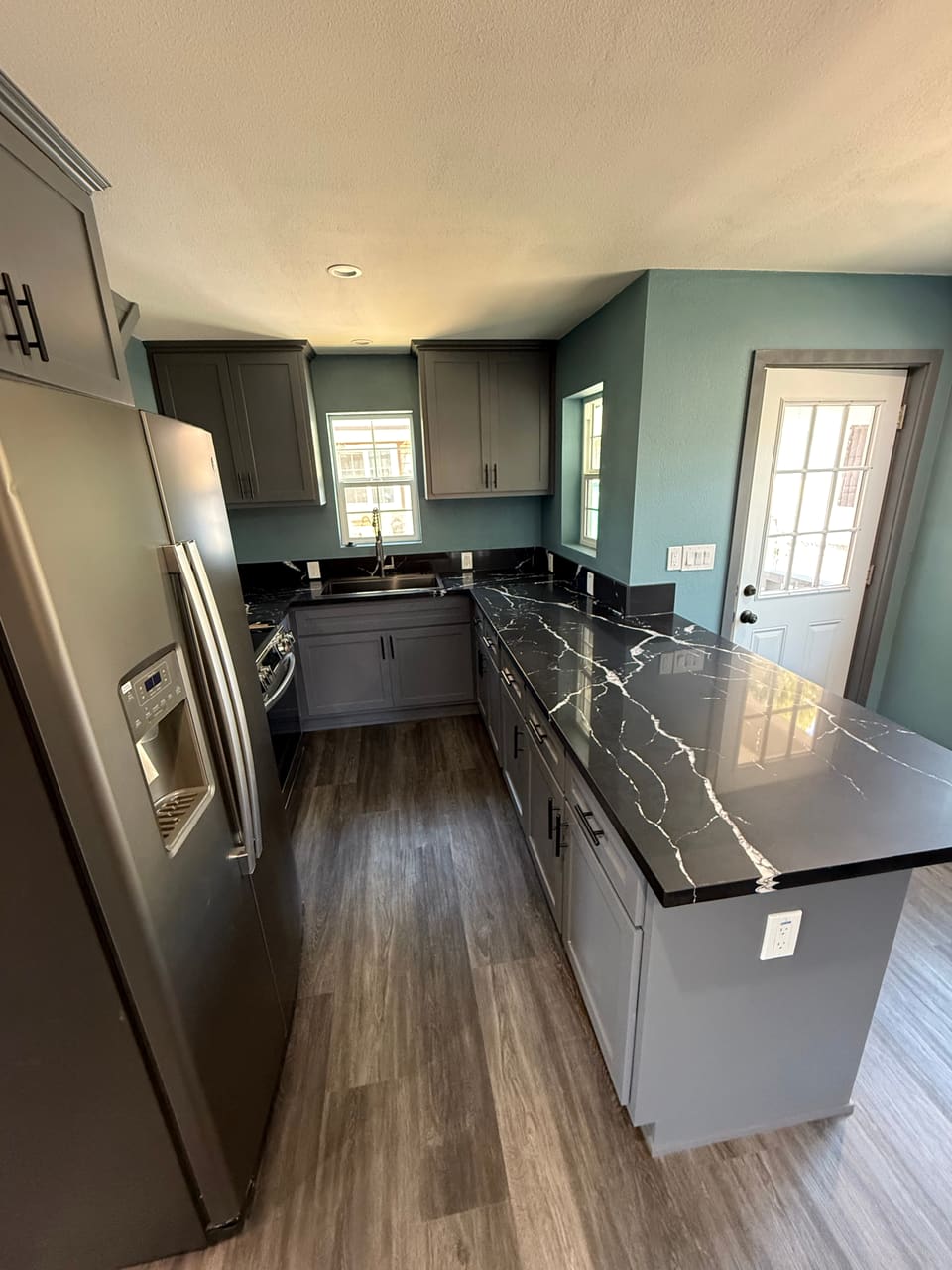
So a kitchen remodel with framing, plumbing, electrical and drywall fits a B license. A job that's only a new electrical panel belongs to a licensed electrical contractor, or to a B contractor who subcontracts it to one.
What unlicensed work costs you
Contracting without a license is a misdemeanor in California. A first conviction can bring a fine of up to $5,000 or up to six months in county jail. You can sue to recover everything you paid an unlicensed contractor, but CSLB warns its ability to help you may be limited, your only remedy may be civil court, and you could be liable for injuries to an unlicensed contractor's workers.
The contract and the money
For home improvement work over $500, the contract has to be in writing and signed by both of you before work starts. The down payment can't be more than $1,000 or 10 percent of the price, whichever is less, and later payments can't run ahead of the work done or materials delivered. Changes go on written change orders signed before the extra work starts. You can cancel within three business days of receiving the signed contract, or five if you're 65 or older. CSLB also suggests avoiding cash and keeping a job file of every document, payment and photo. Our post on task-by-task estimates walks through each of these.
Mechanics liens
Anyone who improves your property and isn't paid can record a mechanics lien on it, even if you've paid your contractor in full. Subcontractors and suppliers keep that right by sending you a preliminary notice within 20 days of starting work or delivering material. A late notice still covers work from 20 days before it was served. The direct contractor and laborers don't send one.
Three habits protect you. Ask your contractor for the list of subcontractors and suppliers. After each payment, ask for a lien release covering the work you paid for; the law lets you withhold further payments until you get it. Where a preliminary notice has come in, pay that sub or supplier with a joint check made out to them and the contractor.
The window to record a lien closes. A direct contractor has 90 days after the work is completed, or 60 days after the owner records a notice of completion. Subcontractors and suppliers have 90 days after completion, or 30 days after a recorded notice.
Where we come in
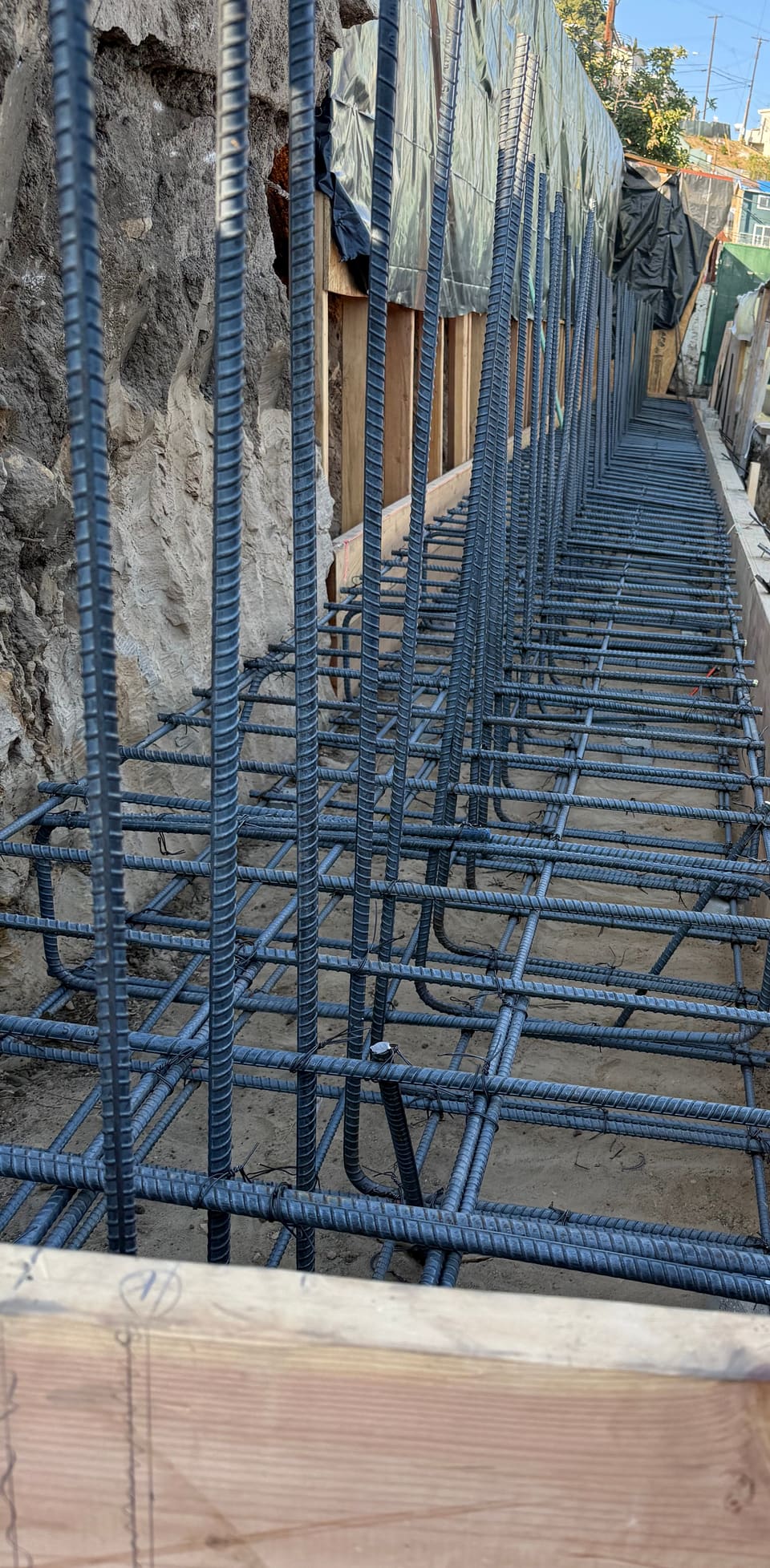
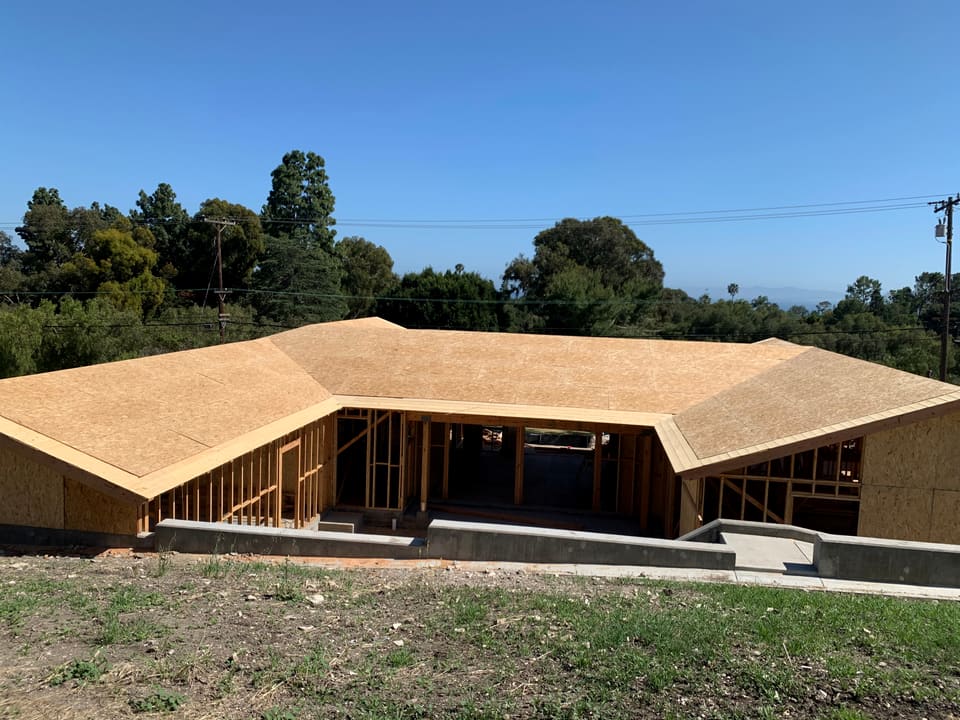
We'd rather you check than guess. Bring your questions to the estimate, and we'll walk you through the scope, the trades involved and how the contract and payments will run. Framing and structural work is our core; the framing and structural page shows what that covers.
Sources
- Check a license or HIS registration Contractors State License Board.
- How do I find the right licensed contractor? Contractors State License Board.
- What you should know before hiring a contractor Contractors State License Board, 2025.
- Business and Professions Code 7057: general building contractor California Legislative Information.
- Business and Professions Code 7048: the minor work exemption California Legislative Information.
- Business and Professions Code 7028: unlicensed contracting California Legislative Information.
- Business and Professions Code 7031: recovering payments from an unlicensed contractor California Legislative Information.
- Business and Professions Code 7030.5: license number in contracts and ads California Legislative Information.
- Business and Professions Code 7159: home improvement contracts California Legislative Information.
- Business and Professions Code 7159.5: payments and down payment California Legislative Information.
- Civil Code 8204: preliminary notice California Legislative Information.
- Civil Code 8412: direct contractor's lien deadline California Legislative Information.
- Civil Code 8414: other claimants' lien deadline California Legislative Information.
Every project is different, and rules change. Talk to us about yours before you decide; nothing here replaces a walk of your property or advice from your city or a licensed professional.


