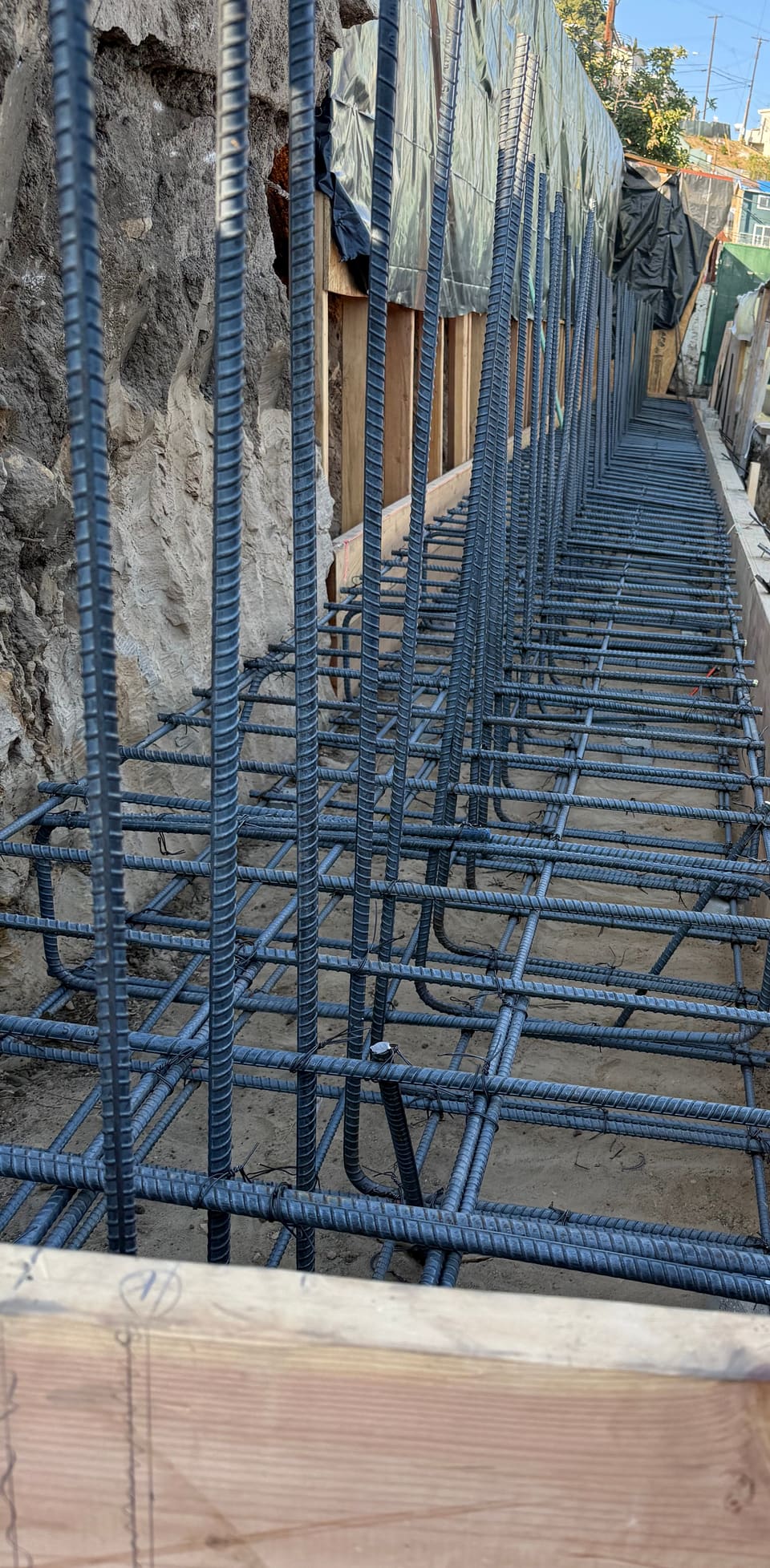
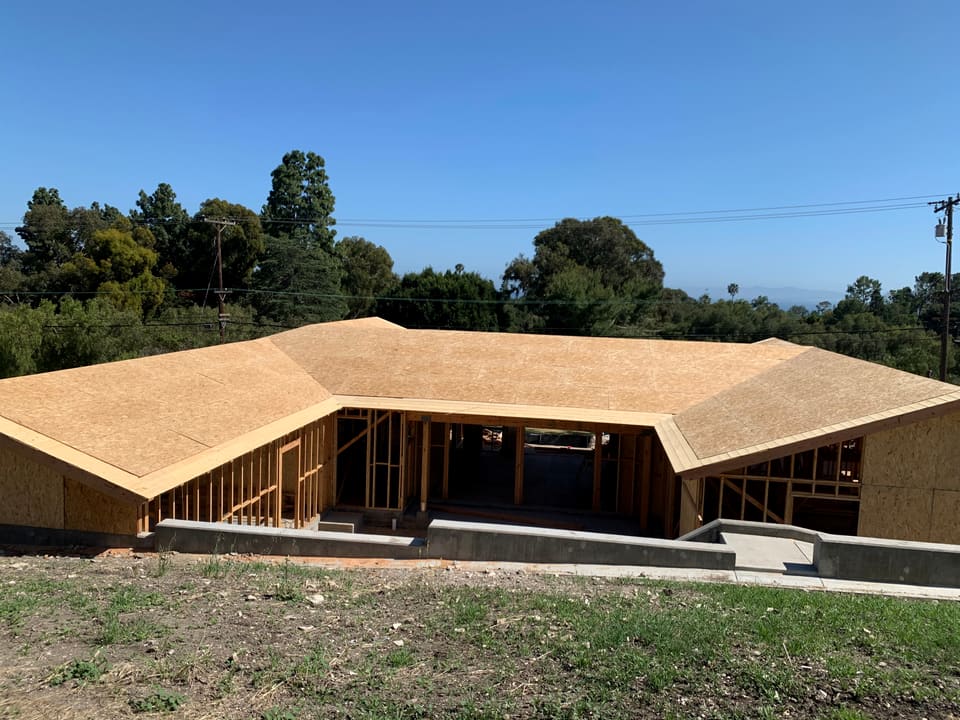
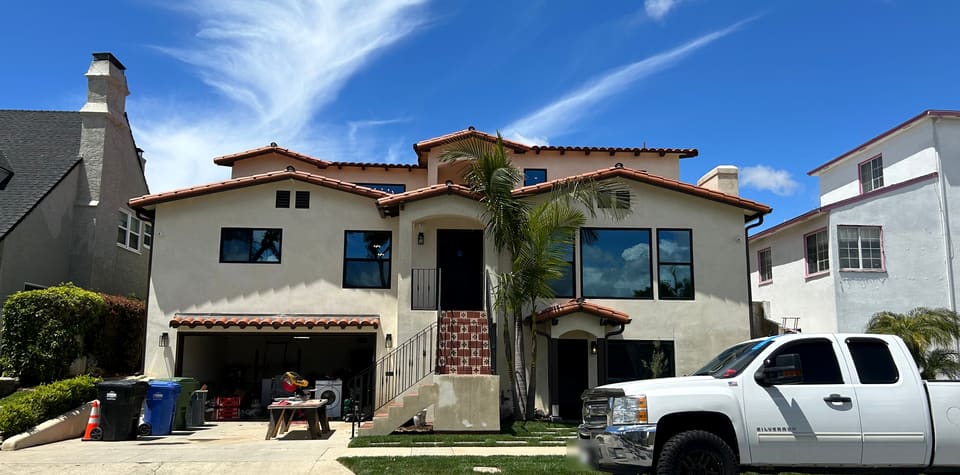
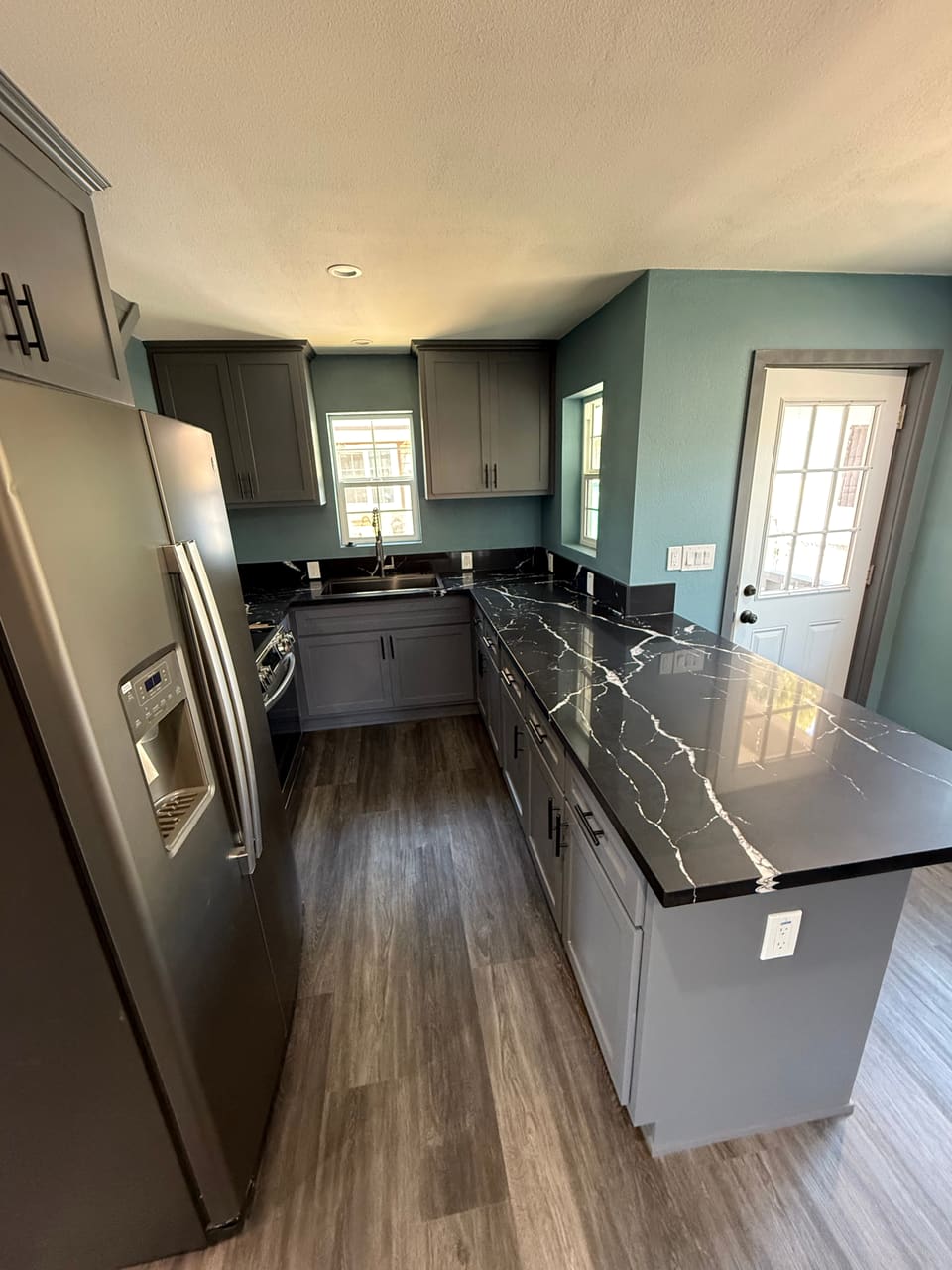
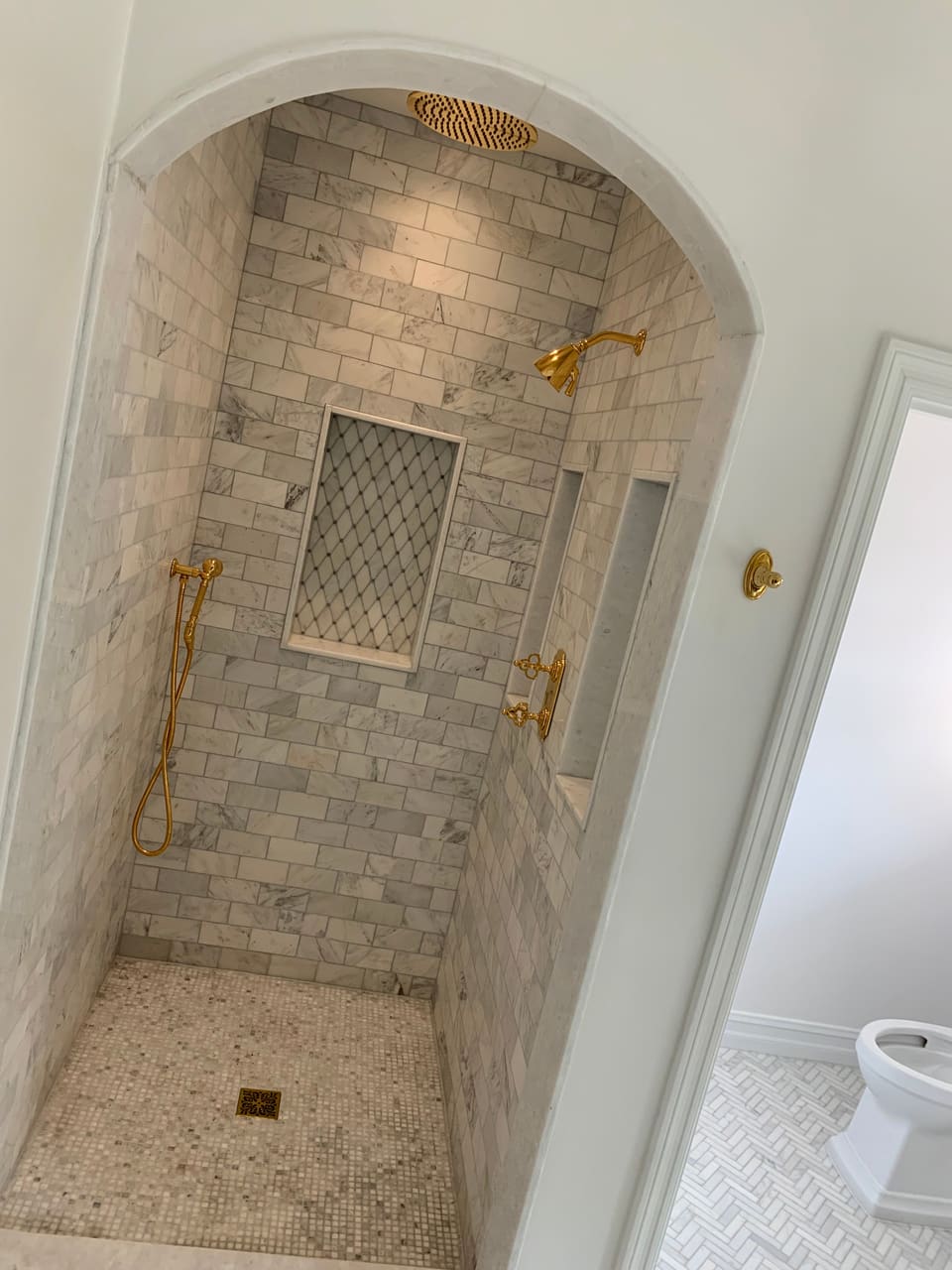
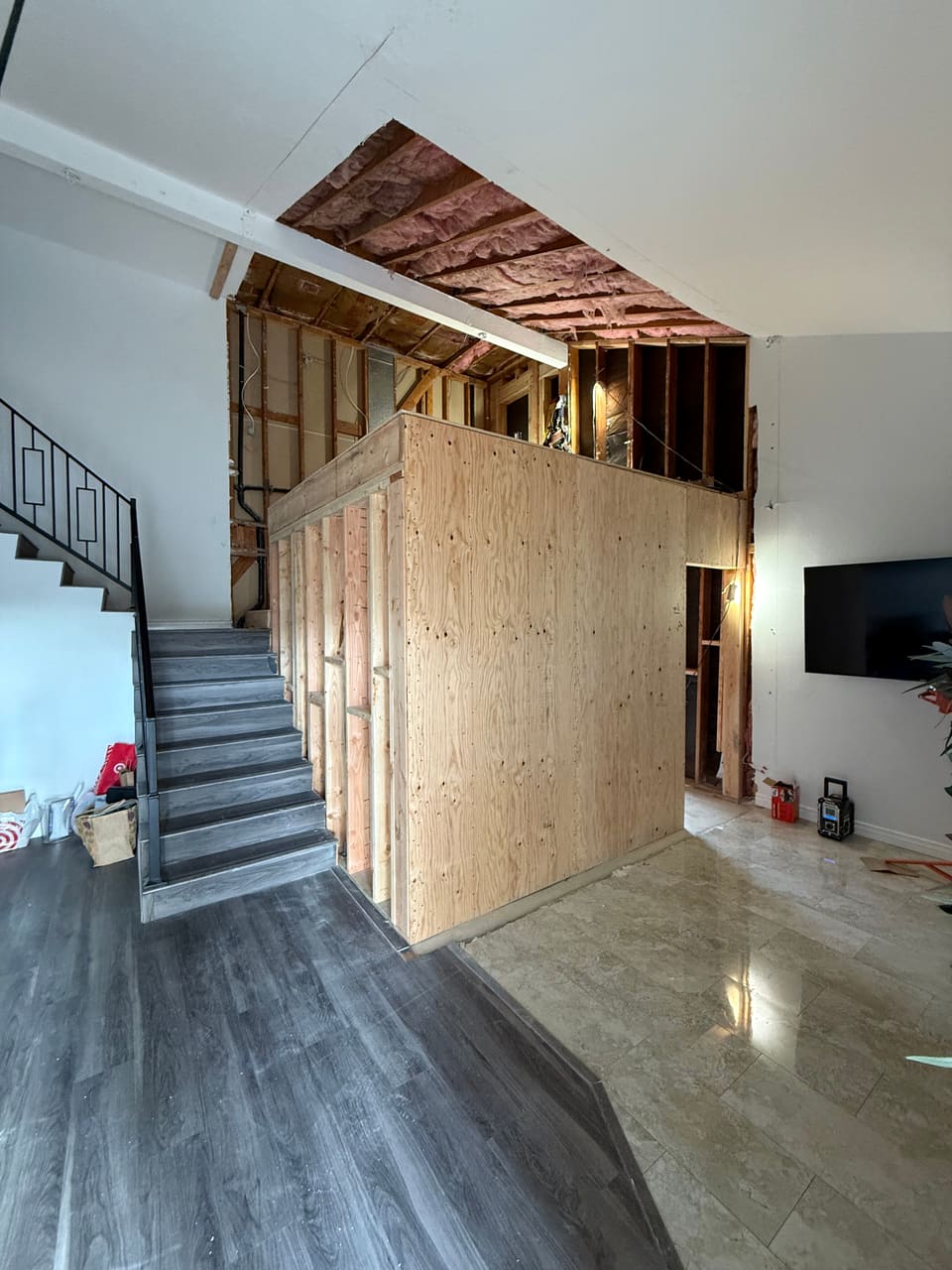
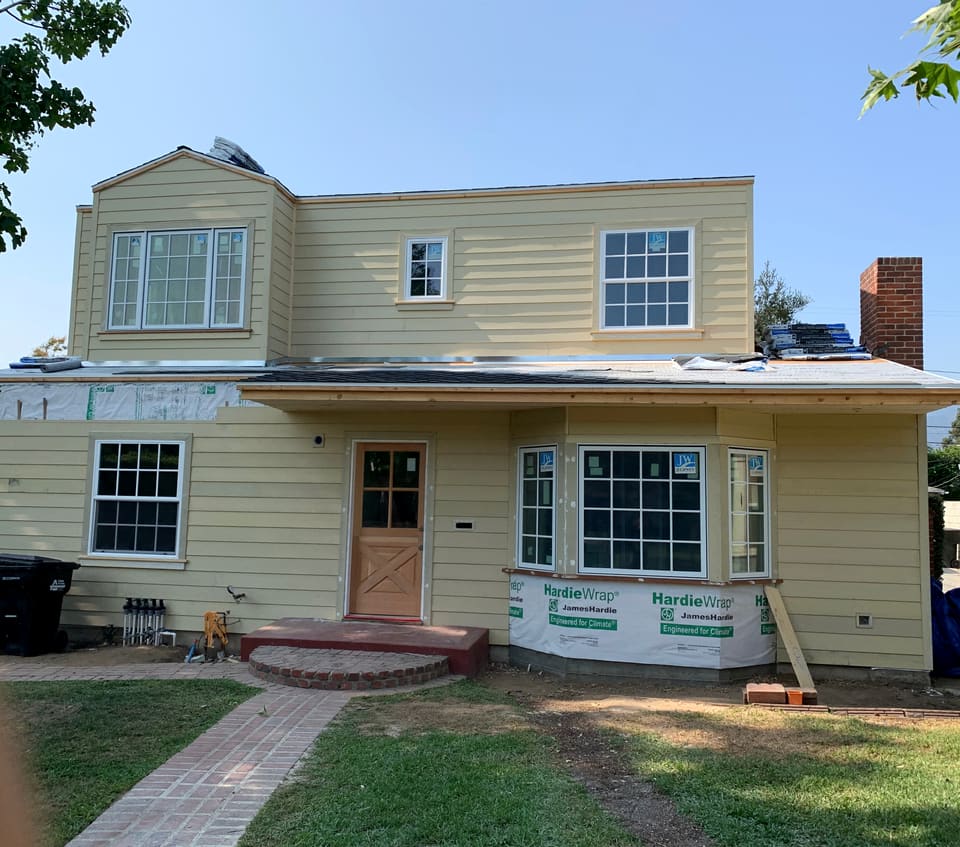

A lot of quotes arrive as one number at the bottom of a page. That number is hard to compare with another bid and harder to adjust when a choice changes. We work the other way: we walk the project, scope and plan it, price it by the task, and put it in writing. The level of detail grows with the project, from a bathroom to a ground-up build.
A sample, row by row
Every estimate is built from its own walkthrough. This is the layout, as a sample with the prices left out:
| # | Task or phase | What's included | Cost | Deliverable |
|---|---|---|---|---|
| 01 | Protection and demolition | Floor and pathway protection, removal of existing finishes, haul-off | Priced per job | Clean, open area ready to build |
| 02 | Framing and structure | Repair or rebuild per plan; engineer-specified hardware where required | Priced per job | Sound structure, ready for rough-in |
| 03 | Rough plumbing and electrical | Lines and boxes per the approved layout; inspections as required | Priced per job | Systems in, inspected, ready to close |
| 04 | Finishes | Drywall, paint, flooring, trim, hardware; tile and fixtures as a stated allowance | Priced per job | Finished space, ready to use |
| 05 | Close-out | Joint walkthrough, punch list, final clean | Priced per job | Signed-off, complete project |
Each line says what's in it, what it costs and what you have when it's done. The total adds up the tasks and the stated allowances. Exclusions and assumptions get their own list, so what the price leaves out is as easy to find as what it covers. We show prices by task or phase; our internal labor and supplier costs stay out of it.
Allowances and exclusions
An allowance is a stated budget for something you haven't picked yet, such as tile or plumbing fixtures. When you choose, the line moves to the actual cost, up or down, and the running total shows the difference. A fair allowance is set at a level that matches the finishes you've described, so it doesn't make the bid look low and come back later as a surprise.
Exclusions name the work the price doesn't cover. Assumptions name the conditions the price depends on. Reading both before you sign is how you compare two bids on the same footing, and the Contractors State License Board (CSLB) makes the same point: compare bids built on identical plans, specifications and scope, and be wary of one that comes in far below the others.
When a wall opens up
Some conditions can't be seen until a wall or floor is opened. When we find one, we stop work on that item, photograph it, explain the options, and give you the added cost and the schedule effect in writing. Work outside the agreed scope goes ahead only with your written approval, unless safety or the law demands immediate action.
California's contract law sets the same line. In a home improvement contract, a change order becomes part of the contract only when it's in writing and signed by both sides before the changed work starts. It has to describe the scope of the change, the amount added to or subtracted from the price, and the effect on the payment schedule and completion date. If the contract says subcontractors will be used, each change order repeats that disclosure.
How payments work
As of November 2026, Business and Professions Code 7159.5 caps the down payment on a home improvement contract at $1,000 or 10 percent of the contract price, whichever is less. Payments after that have to follow a written schedule, in dollars and cents, tied to the work or materials each one covers. Apart from the down payment, a contractor can't ask for or accept more than the value of the work done or the materials delivered. The contract has to say so in bold type: it is against the law to collect payment for work not yet completed.
We tie payments to defined phases on every project, so each payment lines up with a row you can see finished. After each payment, you can ask for a lien release covering the work you've paid for, and you may hold further payments until you get it.
The rule has one exception. A contractor with a blanket performance and payment bond on file with CSLB can collect more up front, and CSLB says only about two dozen licensees have one.
What the contract itself must include
California's home improvement rules apply when the total price is over $500. The contract has to be in writing, legible, and signed by both parties before work starts, and you get a signed copy before anything begins. Among the items Business and Professions Code 7159 lists:
- the contractor's name, business address and license number;
- the contract price, with any finance charge on its own line;
- a description of the project and of the significant materials and equipment;
- the down payment and the schedule of progress payments, each in dollars and cents;
- an approximate start date, what counts as starting, and an approximate completion date;
- whether subcontractors will be used;
- notices on commercial general liability insurance, workers' compensation, mechanics liens and CSLB, and the notice of your right to cancel.
The estimate is where all of that starts. A task list with honest allowances turns into a contract, and then a payment schedule, without anyone guessing what each line meant.
Where we come in
Remodels, kitchens, baths, additions and new homes all start with the same four steps: walk it, scope it, price it by the task, put it in writing. If you're comparing bids, our guide on checking a California contractor covers the license side. The home remodeling page shows how a full remodel runs with us.
Sources
- Business and Professions Code 7159: home improvement contracts California Legislative Information.
- Business and Professions Code 7159.5: payments and down payment California Legislative Information.
- Business and Professions Code 7151: definition of home improvement California Legislative Information.
- Civil Code 1689.5: definitions, including business day California Legislative Information.
- How do I find the right licensed contractor? Contractors State License Board.
- What you should know before hiring a contractor Contractors State License Board, 2025.
Every project is different, and rules change. Talk to us about yours before you decide; nothing here replaces a walk of your property or advice from your city or a licensed professional.


