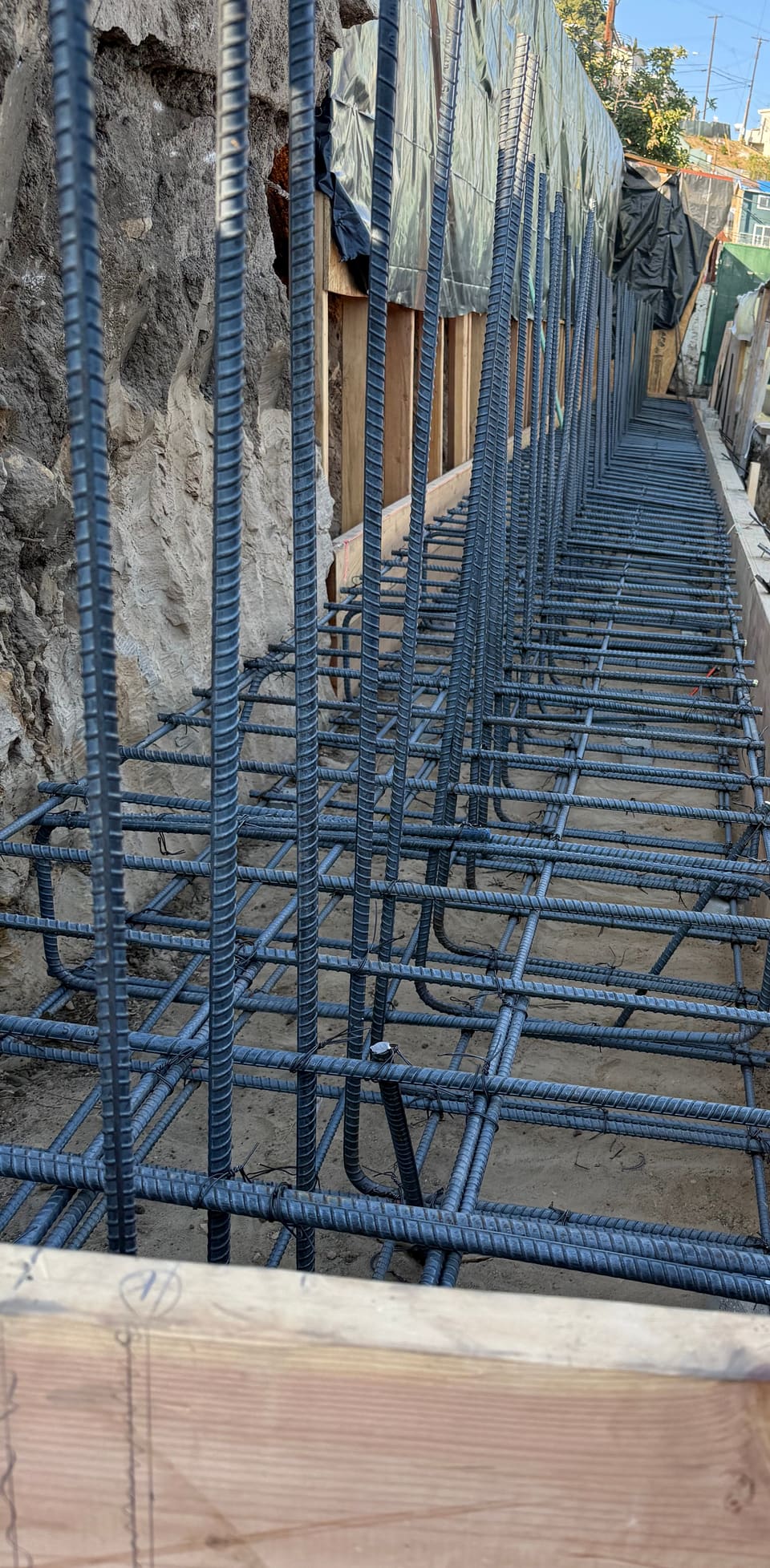
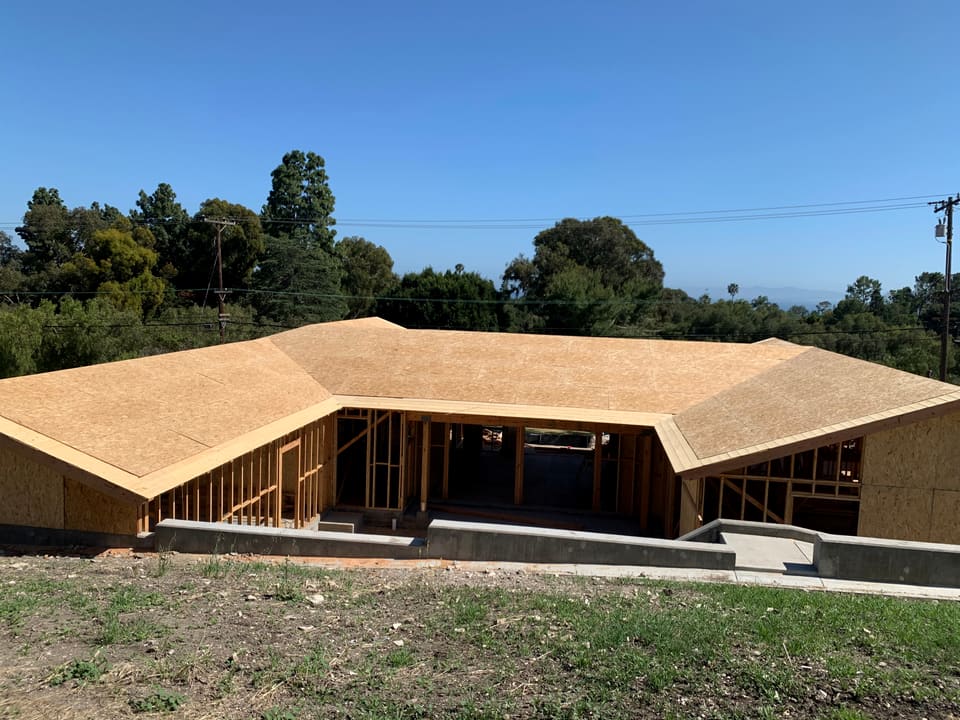
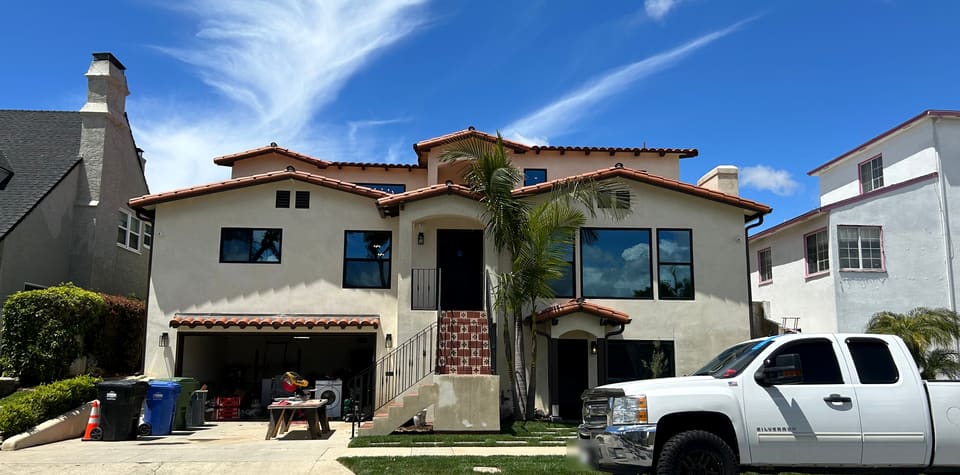
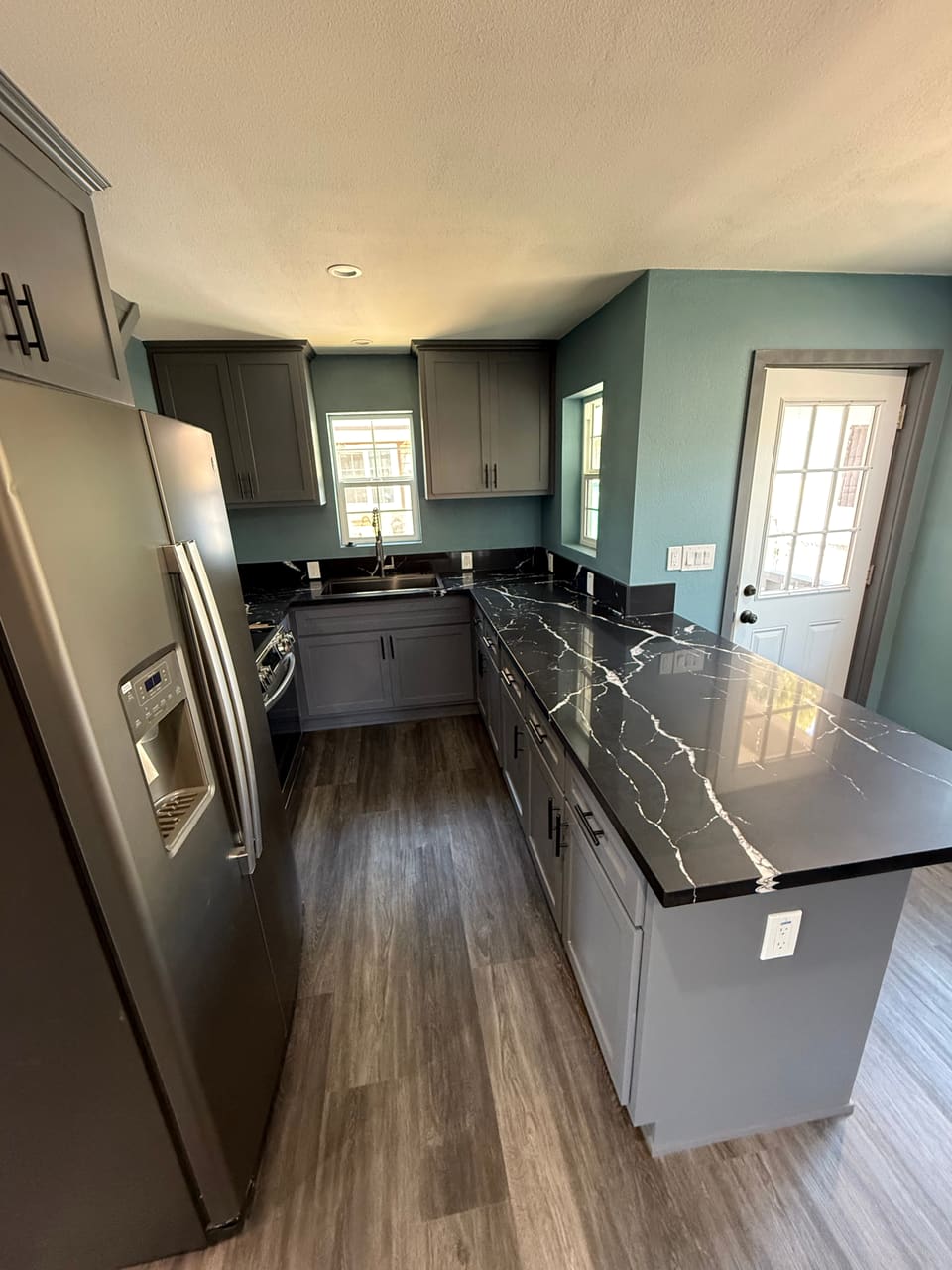
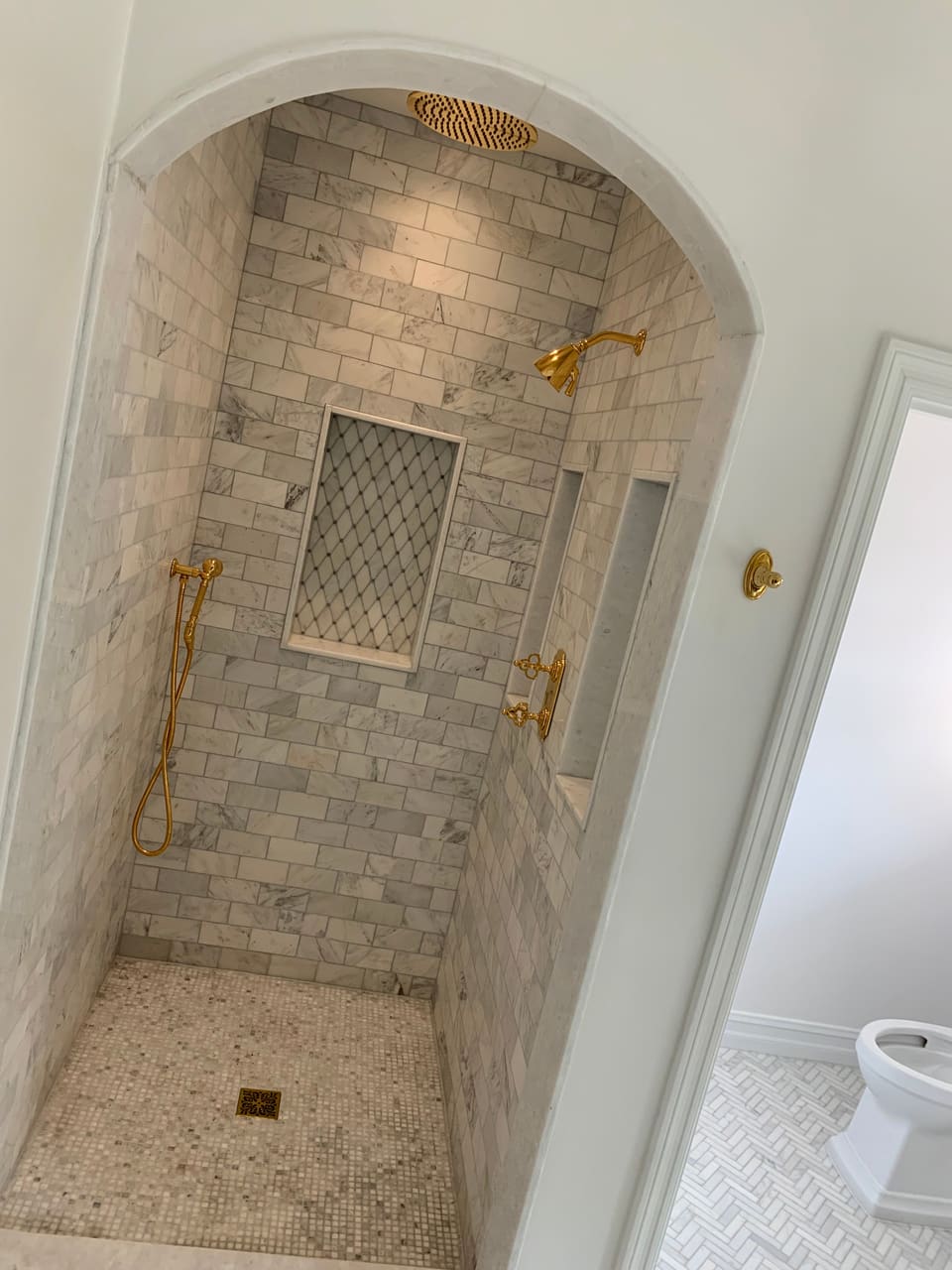
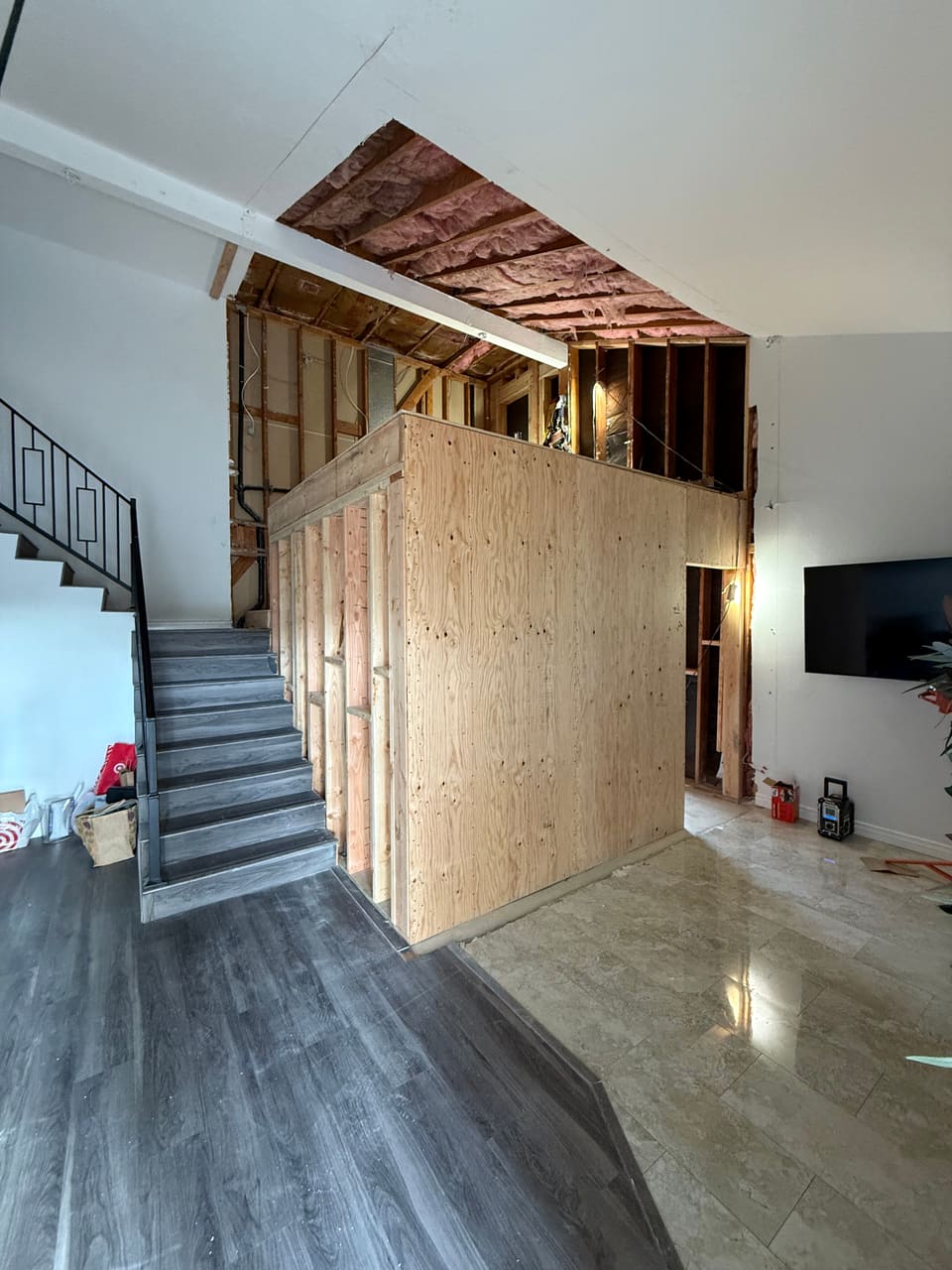
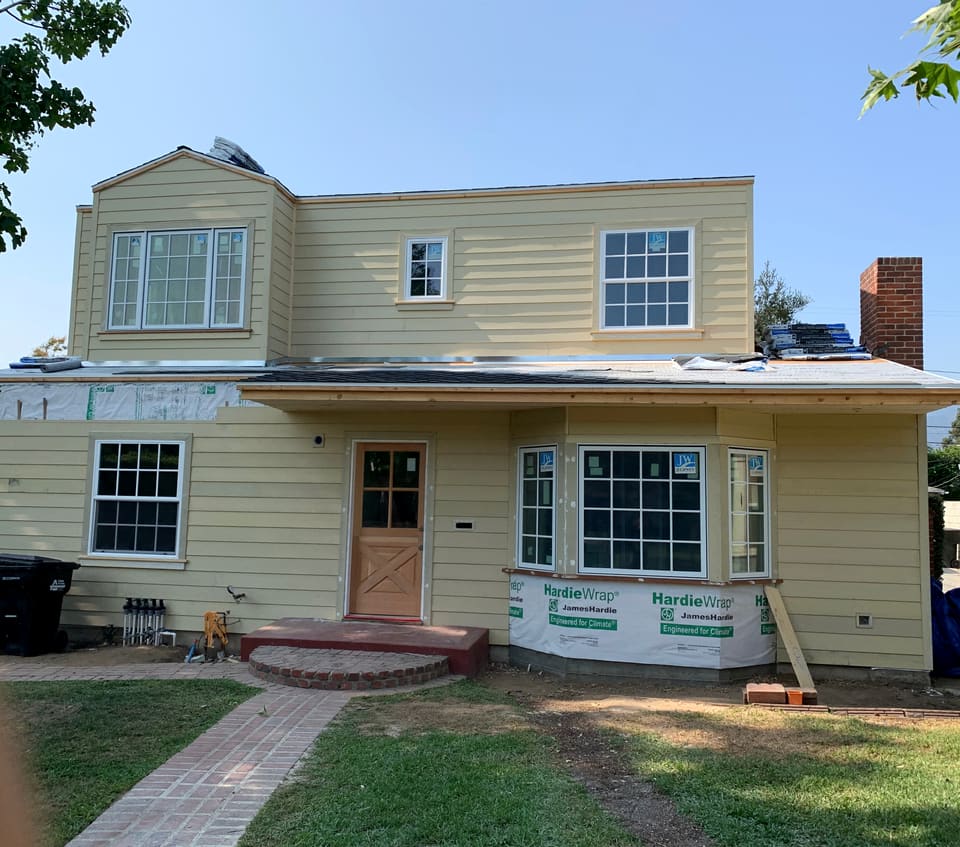
White brick outdoor kitchen with a stainless grill and a concrete counter on a new patio, a white pergola behind

Tell us whatyou want to build

Call us or send the short form. We walk the project first, then price it task by task, in writing.

Free estimate

Three short steps,then we call you

Pick the closest kind of project, tell us about the property and leave a number. Not sure which service fits? Pick “Not sure yet”.

California contractor licenceCurrent and active

#1163823

Name
JR Builds Renovations & Designs
Classification
General Building (B)
Bond
$25,000 contractor’s bond on file
Check it on cslb.ca.gov

Step 1 of 3: Project

What are you planning?
Tell us about the property
Kind of property
When would you like to start?
Plans or drawings? (optional)
How can we reach you?

Free estimate. Or call (562) 340-8847

Where we build

From Glendoraacross LA County

Pasadena, Glendora, Long Beach and Rancho Cucamonga. Pick a city to see how far it is from Glendora, in straight-line miles.

Miles are straight-line from Glendora, not drive times.

What happens next

We walk it, scope it,price it by the task

After your call or your form, the same four steps, in this order.

  1. 01

    Walk the project

    We visit the property, look at the existing conditions, take measurements and photos, and listen to what you want from it.

  2. 02

    Scope and plan it

    We define the work, the materials and the permits it needs, and bring in the designer or engineer when the job calls for one.

  3. 03

    Price it by the task

    The job is broken into tasks, each with what’s included, its cost and what you get. Open selections carry stated allowances.

  4. 04

    Put it in writing

    Scope, price, payments and schedule go into a written agreement. Permits are in hand before that work starts.

Before we begin

Questions wehear most often

Something else on your mind? Call us at (562) 340-8847

01Do I need a permit for my project?

Most projects that change structure, add space, or install or rework electrical, gas, mechanical or plumbing systems need one. The California Residential Code exempts a short list: painting, tile, carpet, cabinets, countertops and similar finish work, fences up to 7 feet, retaining walls up to 4 feet with nothing loading them, and one-story detached sheds up to 120 square feet. Your city can add its own rules. We identify the permits during scoping and get them before that work starts.

02How long does a permit take?

Plan review time is set by each city or the county, so we build it into the schedule instead of promising a date. ADUs are the exception with a state clock: since January 1, 2026, the agency has 15 business days to say whether an ADU application is complete and 60 days from a complete application to approve or deny it. Hillside lots in Glendora add a step, because the building permit waits for the grading permit and the engineering sign-off.

03How do I check a contractor’s license?

Search the contractor’s license number, business name or name at cslb.ca.gov, or call 800-321-CSLB (2752). The page shows whether the license is current and active, its classifications, the $25,000 contractor’s bond, and workers’ compensation coverage or an exemption. Make sure the name matches the one on your contract.

04How much do I pay up front?

On a home improvement contract, California caps the down payment at $1,000 or 10 percent of the contract price, whichever is less. After that, each payment has to match work completed or materials delivered, on a written schedule. We tie payments to defined phases on every project.

05How does a task-by-task estimate work?

We break the project into tasks or phases, each with what’s included, its cost and what you have when it’s done. Selections you haven’t made yet carry allowances, and exclusions and assumptions are listed. Approved scope, price, payment terms and schedule then go into a written agreement.

06What happens if you find a problem inside a wall?

We stop work on that item, photograph it, explain the options, and give you the added cost and the schedule effect in writing. Work outside the agreed scope goes ahead only with your written approval, unless safety or the law requires immediate action. California requires any change order on a home improvement contract to be in writing and signed by both sides before that work starts.

07Who will be on site, and who do I talk to?

Aaron Hernandez, our founder and builder, is on site running layout, checking framing and inspecting the work before it’s covered up. One point of contact manages the schedule, selections, site and quality checks from the first walk to the punch list. For specialty trades, we coordinate trade partners from a network we’ve built with tradespeople, architects and engineers.

08What should I have ready for an estimate?

Whatever you have: plans, drawings, inspiration photos, the size of the space, your timeline, or just the idea. The more detail you share, the more useful the first conversation. We start by walking the property, measuring, photographing and listening to your priorities.

09What areas do you serve?

Pasadena, Glendora, Long Beach, Rancho Cucamonga and communities across Los Angeles County. Most of our work is in Glendora and LA County.